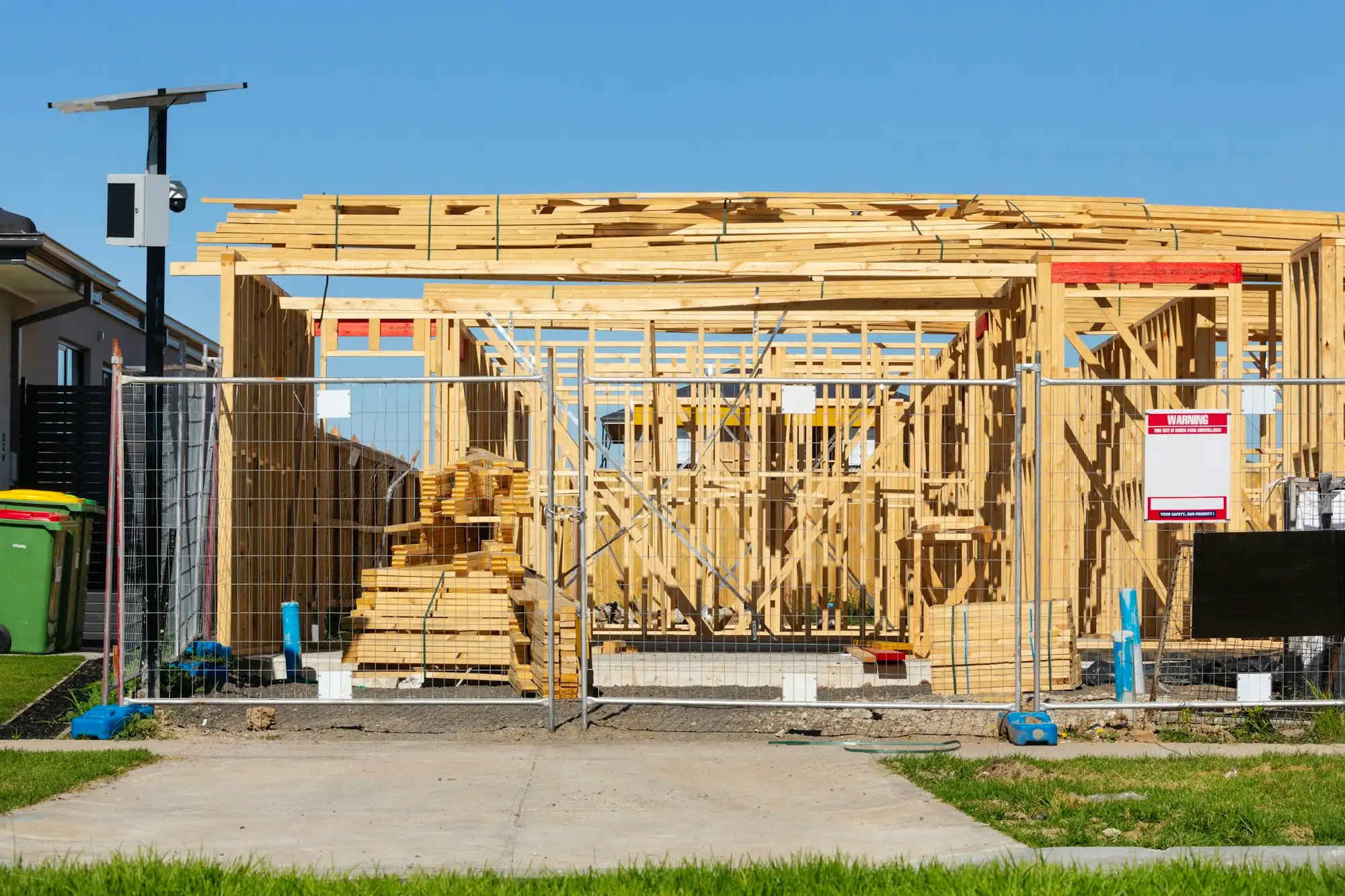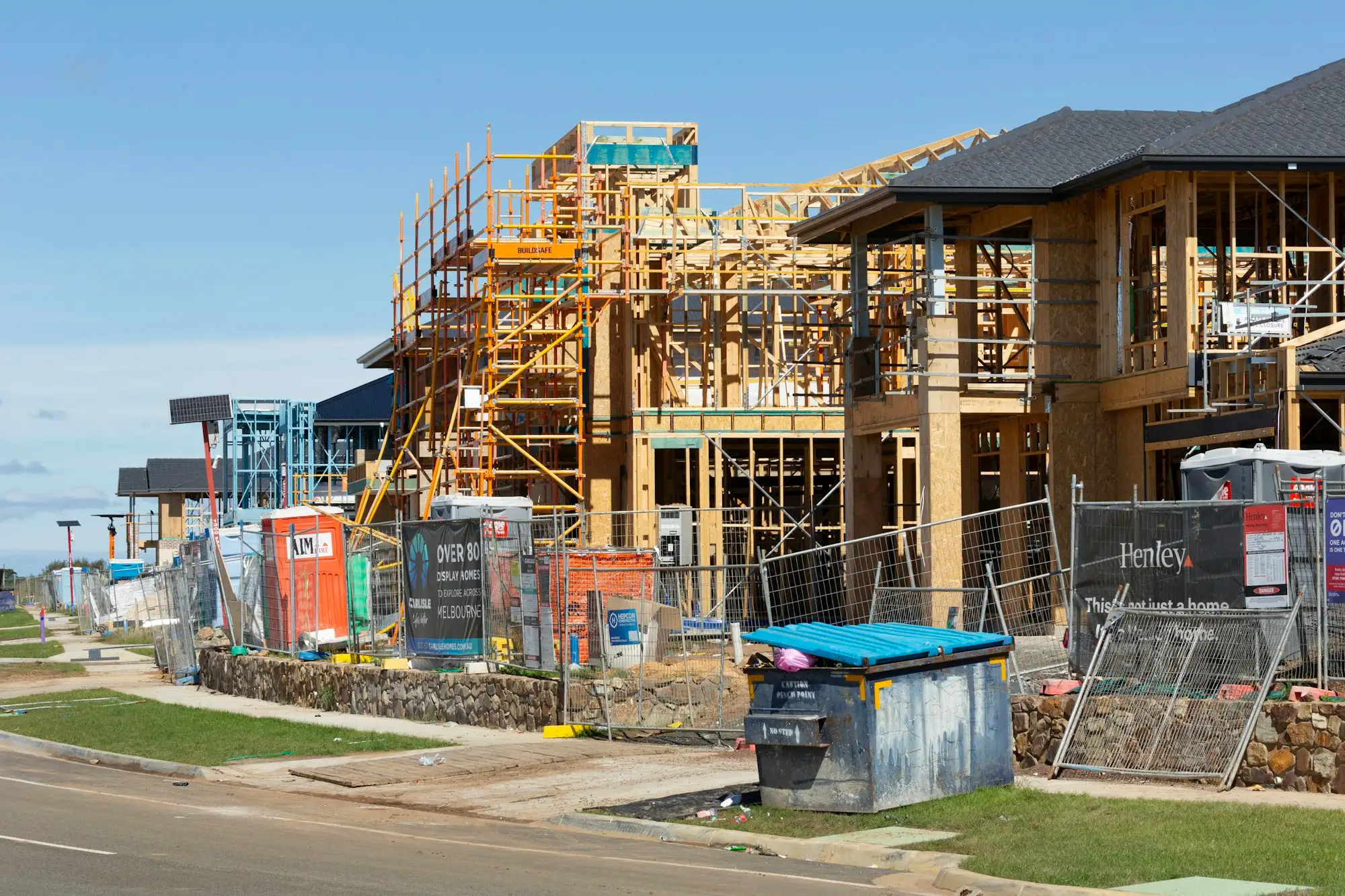
Builds stall for plenty of reasons. Materials go up, a trade walks off, the bank caps its funding, or the original builder folds halfway through. A construction completion loan is the money that gets the site moving again, so a half finished house or duplex doesn’t sit there eating holding costs while you work out what to do.
This page is for small builders, tradies building their own spec homes, and investors with a project that needs one more push to the finish line. We fund small builds only: a house or two, a duplex, a few townhouses, or a small commercial job.
Why do builds run out of money before they’re finished?
Most stalled builds we see fall into one of four buckets:
- Cost blowouts. Frame, roofing and plaster came in well above the original quote, and the contingency is gone.
- The bank stopped lending. The construction loan was sized on an old estimate, and the lender won’t increase it.
- A builder or key trade went under. You’ve paid for work that wasn’t done, and the replacement wants money up front.
- Delays. Wet weather, approvals or a long wait on a subcontractor pushed the timeline out, and holding costs ate the buffer.
How does a construction completion loan work?
It’s a short term loan, usually a first or second mortgage, secured against real estate you (or a guarantor) already own. That could be your home, an investment property, a commercial property or land with equity.
Here’s the important bit. The loan is not based on what the finished house will be worth, and it isn’t paid out as progress draws against the build itself. Our lending partners look at the equity in property you own today, valued as it stands now. If you have enough equity, the money can be released in one lump sum so you can pay trades and suppliers directly and keep control of the finish.
If you have no mortgage on another property, a fast first mortgage may suit. If there’s already a loan on it, a fast second mortgage sits behind the existing lender without disturbing it.
Work out your real cost to complete
The biggest mistake with a completion loan is borrowing too little. You fix the immediate problem, then run dry again three weeks before handover. Before you apply, get a line by line cost to complete:
- Walk the site with the trades who will actually finish it and get fresh quotes, not the original ones.
- List what’s been paid for but not delivered, and assume you won’t get it back quickly.
- Add holding costs: existing loan repayments, council rates, insurance, site security and temporary fencing.
- Add a buffer for surprises, plus selling or refinance costs.
Our guide to finishing a stalled build goes through this step by step.
Example: finishing a duplex after the frame stage
This is a hypothetical example only.
A small builder in western Sydney is building a duplex on a block he owns. The construction loan has been fully drawn, the build is at frame stage, and brickwork and roofing quotes have come in higher than expected. His lender won’t top up.
He owns his family home with solid equity and a modest existing mortgage. Rather than refinance everything, he takes a second mortgage over the home to cover the remaining cost to complete plus a buffer, over a 9 month term. Once the duplex reaches practical completion, he sells one side and uses the proceeds to repay the completion loan in full.
What’s your exit plan?
Completion loans are short term, typically 1 to 12 months. Lenders want to know how you’ll repay before they lend, so think about it early. Common exits are:
- Sell the finished property, or one or more dwellings in a duplex or townhouse project.
- Refinance to a longer term loan once the property is complete and has an occupancy certificate.
Build in time for the unexpected. Read more about planning an exit strategy for a short term loan.
Key facts: construction completion loans
- Loan size: $20,000 to $5 million
- Security: Existing property equity, such as your home, investment property, commercial property or land with equity
- Speed: As little as 24 hours in some cases, typically a few days once valuation and documents are in
- Term: Typically 1 to 12 months
- Financials: Not needed for property secured loans; bad credit considered
- Suits: Small builders, owner builders, tradies and investors finishing small residential or commercial builds
What to have ready
You’ll move faster if you have these on hand when our lending specialist calls back:
- Details of the property you’re offering as security and any existing loan on it
- Your cost to complete, with current quotes
- Photos of the build as it stands
- Your plan to repay: sale, refinance or lease
- Photo ID for each borrower and guarantor
If the bank has already said no, read what to do when the bank said no to construction finance.
Common mistakes to avoid
- Waiting too long. Every week a site sits idle adds holding costs and gives trades a reason to take other work.
- An exit with no fallback. If the plan is to sell, have a second option in case the market is slow.
Get the build moving again
The sooner you know your options, the sooner the trades are back on site. It takes about 60 seconds to check your options, enquiring won’t affect your credit score, and we’ll tell you quickly if we can help.