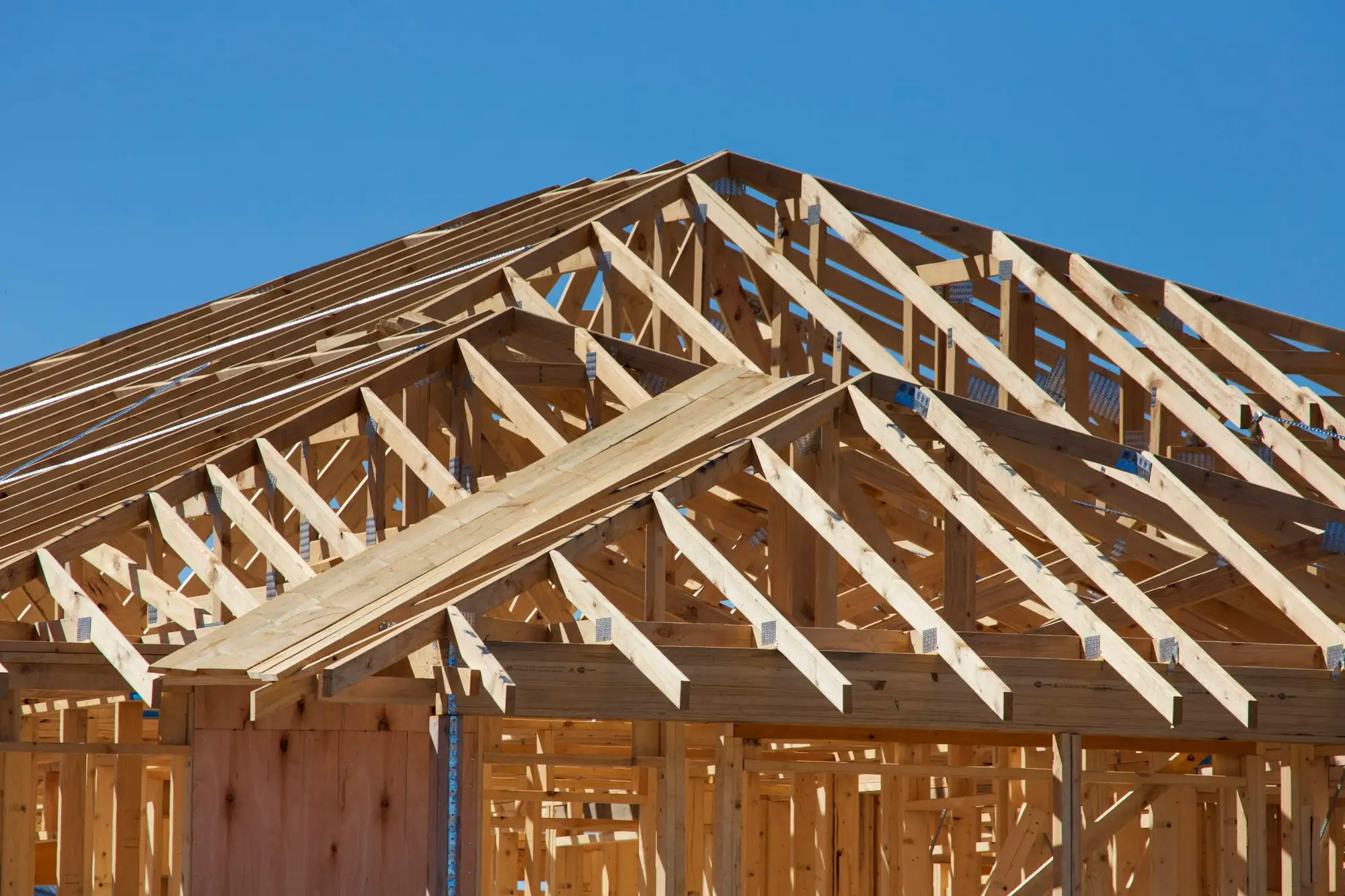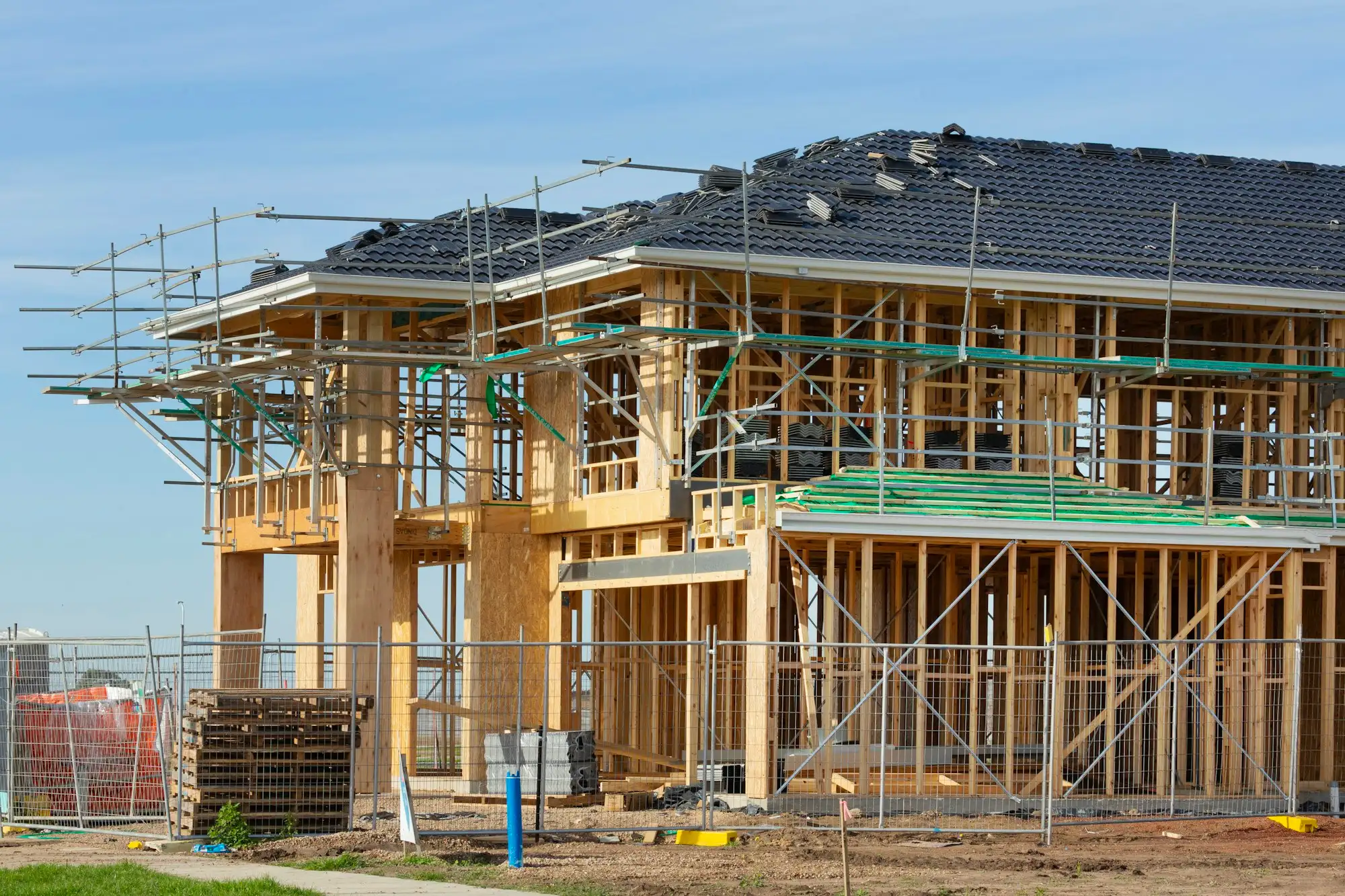
Most construction finance in Australia is designed for big developers with months to spare and a feasibility study thicker than a house brick. Small builders and tradies don’t work like that. You’ve got a slab booked, a frame arriving Thursday and a supplier who wants paying before the truck leaves the yard. Construction Finance Online exists for that end of the industry: the people who build houses, duplexes, townhouses, sheds and factory units, and the trades who keep those jobs moving.
What does construction finance cover?
For us, construction finance is any business funding that keeps building work moving. That includes money for the build itself, and money for the business doing the building. Common uses include:
- Paying for a slab, frame, roof or lock-up stage while you wait for the next progress claim
- Buying materials in bulk or clearing a supplier account that’s gone on stop
- Covering wages and subbies when a client pays late
- Settling on a block of land for your next job
- Funding a small subdivision’s civil works, headworks or authority charges
- Finishing a build that’s run over budget
- Paying an ATO or BAS debt so it stops hanging over the business
- Buying a ute, plant or equipment you need for the next contract
The common thread is speed. These are short term loans, usually 1 to 12 months, designed to bridge a gap and then be repaid from a sale, a refinance or money coming in.
How is construction finance secured?
This is the part people often get wrong, so it’s worth being clear. We don’t lend against what the building will be worth when it’s finished, and we don’t fund progress draws against the development itself. Construction finance through us is secured against equity in property you, or a guarantor, already own. That can be:
- Your home
- An investment property
- A commercial property, factory or warehouse
- Land with equity in it
Because the security already exists and can be valued today, there’s no need to wait on plans, quantity surveyor reports or bank construction draw schedules. That’s why it moves so much faster than a traditional bank construction loan.
Which loan type fits?
| Your situation | Usual structure |
|---|---|
| You own property with an existing bank loan | Fast second mortgage behind your current loan |
| Property owned outright or with a small debt | Fast first mortgage |
| Waiting on a sale or refinance to settle | Business bridging loan |
| Property in Victoria, need it very fast | Caveat loan (Victoria only) |
| No property, business trading 6+ months | Unsecured cash flow loan |
Second mortgages are by far the most common structure we see. They leave your existing home loan untouched and sit behind it, using the equity you’ve built up.
Key facts
- Loan size: $20,000 to $5 million
- Security: existing property equity (home, investment, commercial or land), or unsecured for businesses trading 6+ months
- Speed: some property secured loans funded in as little as 24 hours, typically a few days once valuation and documents are in
- Term: typically 1 to 12 months
- Paperwork: property secured loans don’t need financials or cash flow records
- Credit: bad credit considered
- Purpose: business and investment purposes
- Who it suits: small builders, tradies, subbies and small construction companies
Who is construction finance for?
We work with the whole small end of the building industry. That’s builders running one to a handful of jobs at a time, owner builders doing a duplex as a business project, and every trade on site: carpenters, concreters, plumbers, sparkies, roofers, bricklayers, earthmovers and more. You’ll find trade specific pages in our trades section, and a broader overview on finance for tradies.
What we don’t do is big developments. No 10 storey apartment blocks, no 40 lot estates. If your project is a house or two, a duplex, a few townhouses, a small 2–4 lot subdivision, a shed or a factory unit, you’re in the right place.
What does a typical construction finance deal look like?
These are examples only, to show how the pieces fit together. Every loan is assessed on its own facts.
Example: the frame stage squeeze. A small builder in Ballarat is building two homes side by side. The client’s progress payment for frame stage is running three weeks late, but the roofing crew and truss supplier need paying now. The builder owns their home with a bank loan on it. A second mortgage over the home covers the gap, and it’s repaid when the progress claim lands.
Example: the land that won’t wait. A carpenter turned builder finds a block suited to a duplex. The vendor wants a short settlement. The builder has an investment property with good equity. A first mortgage over that investment property settles the land in days, and the builder then arranges longer term finance for the build at their own pace.
Example: no property, big tax bill. A concreting business has traded for three years but rents both its home and yard. It owes around $100,000 to the ATO. With no property to offer, an unsecured cash flow loan sized to the business’s turnover pays the debt, and the business repays it over the following months.
How fast can you get construction finance?
The quick version: you can usually find out within a day whether we can help. After that, speed depends mostly on the security and how quickly documents come together.
- Enquire online. The form takes about 60 seconds and won’t affect your credit score.
- Talk it through. A lending specialist calls you back to understand the job, the property and your exit.
- Indicative terms. If it stacks up, you’ll get an outline of what’s possible, priced on your circumstances.
- Valuation and documents. The property is valued and the loan documents are prepared.
- Settlement. Funds are released, in as little as 24 hours in some cases.
When you are ready, check your options now.
What should you have ready?
Having these on hand can cut days off the process:
- Details of the property you’re offering as security, and any current loan on it
- A recent rates notice or title details, if you have them
- A short explanation of what the money is for
- Your exit plan: how the loan will be repaid (sale, refinance, progress claims, contract payments)
- Your ABN and business details
- For unsecured loans, recent business bank statements
Our construction loan documents checklist goes into more detail.
What about interest rates?
Every loan is priced on your individual circumstances: the property, the loan size, the term and the exit. We don’t publish rate cards, because a headline number rarely matches what a real deal looks like. Our job is to find the sharpest rate available for your situation and tell you plainly what it will cost before you commit.
Common mistakes to avoid
- Waiting until the day before. Fast finance is fast, but a valuation still needs a day or two. Enquire as soon as you see the gap coming.
- No clear exit. Short term loans need a clear way out. Know whether you’re repaying from a sale, a refinance or incoming payments, and when.
- Borrowing too little. Builds run over. Allow a buffer for weather, variations and late payers rather than coming back for a second loan.
- Assuming the bank’s “no” is final. Banks decline builders for all sorts of reasons that don’t matter to a private lender. Credit issues and irregular income are often workable when there’s property behind the loan.
- Mixing personal spending in. These loans are for business and investment purposes. Keep the purpose clear and tied to the job.
Why use Construction Finance Online?
We focus only on the building and construction industry, so we understand progress claims, retention, lock-up and practical completion without needing it explained. We work with a panel of private lending partners and specialist lenders who can move quickly, and we’ll tell you quickly if we can help. If we can’t, we’ll say so.
Ready to see where you stand? Start your application. It takes about a minute, and a lending specialist will be in touch to talk through the options.