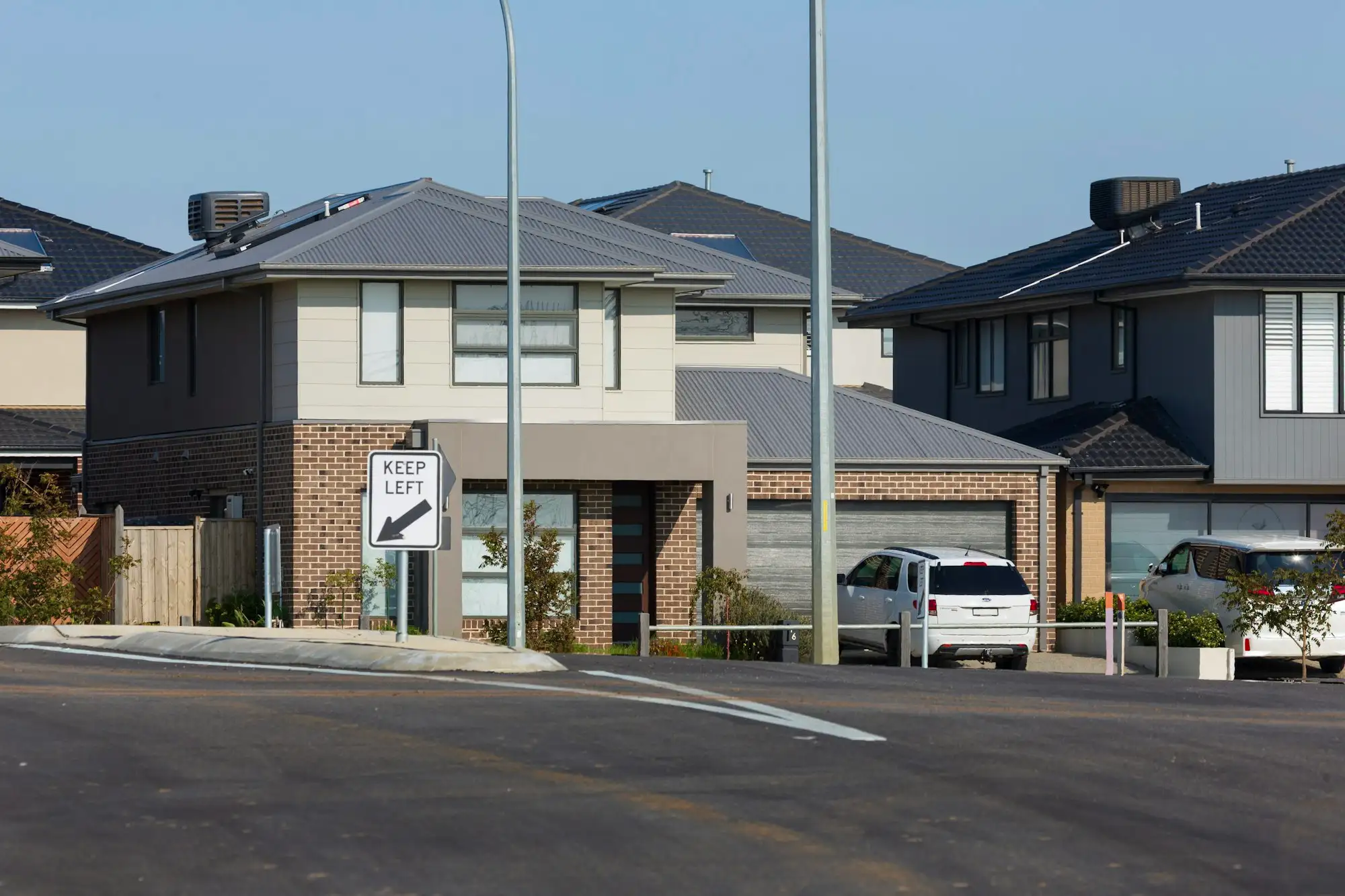
A fast first mortgage is the cleanest way to borrow against property. If you own a block of land, a factory unit or an investment property outright, or you’ve nearly paid it off, you’re sitting on your strongest possible security. Putting a short term first mortgage over it gives a lender full first claim, which usually means more money available, less complexity and a quicker settlement.
What is a first mortgage, in plain terms?
A first mortgage is the loan that has first claim on a property. If there’s no loan on the property at all, any new loan automatically goes into first position. If there’s a small loan already there, the new loan can pay it out at settlement and take its place.
That’s different from a fast second mortgage, which sits behind an existing loan and only uses the equity above it. Both are useful. A first mortgage is usually the stronger option when the numbers allow it.
When do builders and tradies use a first mortgage?
The most common situations we see:
- Land owned outright. A builder bought a block years ago and now wants to use it to fund the next project.
- A paid off yard or factory. A tradie owns their commercial premises and needs money for equipment, wages or a big contract.
- An investment property with a small loan. The existing loan is paid out at settlement so the new lender takes first position.
- An existing loan that’s due. A private loan or bank facility is expiring, and the lender wants it repaid.
- Consolidating several debts. Pay out an existing mortgage plus business debts into one loan. See debt consolidation for more.
Why is first position stronger?
Lenders care about where they sit in the queue. A first mortgage lender is repaid first if the property is ever sold, so their risk is lower. In practice, that tends to mean:
- More of the property’s value can be used
- Fewer parties involved at settlement
- Simpler documents and fewer consents
- Often a faster process overall
Key facts
- Loan size: $20,000 to $5 million
- Security: property owned outright or with a small loan to be paid out (home, investment, commercial property or land)
- Speed: as little as 24 hours in some cases, typically a few days
- Term: typically 1 to 12 months
- Paperwork: no financials or cash flow records
- Credit: bad credit considered
- Purpose: business and investment purposes
Using vacant land as security
Builders often hold land between projects. Vacant land can be good security for a fast first mortgage, although lenders look closely at location, zoning and how easily it would sell. Land in established suburbs or growth corridors with services connected tends to be viewed more favourably than remote or unserviced blocks.
Example (illustrative only): a builder owns a residential block outright in a regional growth area. They want to settle on a second block nearby for a duplex, but their bank wants three months to assess. A fast first mortgage over the first block settles the second purchase within days. Our page on land purchase finance for builders explains more.
Paying out a lender who wants their money back
Sometimes a first mortgage is needed because an existing lender has lost patience. A loan has expired, a facility has been reviewed, or a lender wants to exit. That’s stressful, but it’s a common situation and often straightforward to fix when there’s equity in the property.
Example (illustrative only): a concreter has a small business loan secured over their workshop. The lender has asked for it to be repaid within 30 days. A fast first mortgage pays it out, adds extra funds for a new concrete pump, and gives the business breathing room to arrange longer term finance.
How is a fast first mortgage repaid?
Short term first mortgages are repaid in full at the end of the term, or earlier. The most common exits are:
- Refinancing to a bank or longer term lender
- Selling the property or another asset
- Receiving large contract payments or a project sale
If you’re weighing up your way out, read our guide on exit strategies for short term loans. Where the loan is simply carrying you from one settlement to another, a business bridging loan may be the better description of what you need.
What to have ready
- Property address and who’s on title
- Details of any loan to be paid out, including a rough payout figure
- What the funds are for
- How and when you’ll repay the loan
- Your ABN and business details
Common mistakes
- Not getting a payout figure early. If an existing loan is being paid out, request the payout figure straight away. It’s often the slowest part.
- Underestimating land holding time. If you’re building on the land, allow for approvals, not just construction.
- Treating it as long term finance. Plan the refinance or sale from day one.
Pricing
Every loan is priced on your circumstances. We find the sharpest rate available for your situation and show you the full cost up front.
Own property outright or close to it? See if you qualify in 60 seconds. It won’t affect your credit score, and a lending specialist will be in touch to talk through the options.