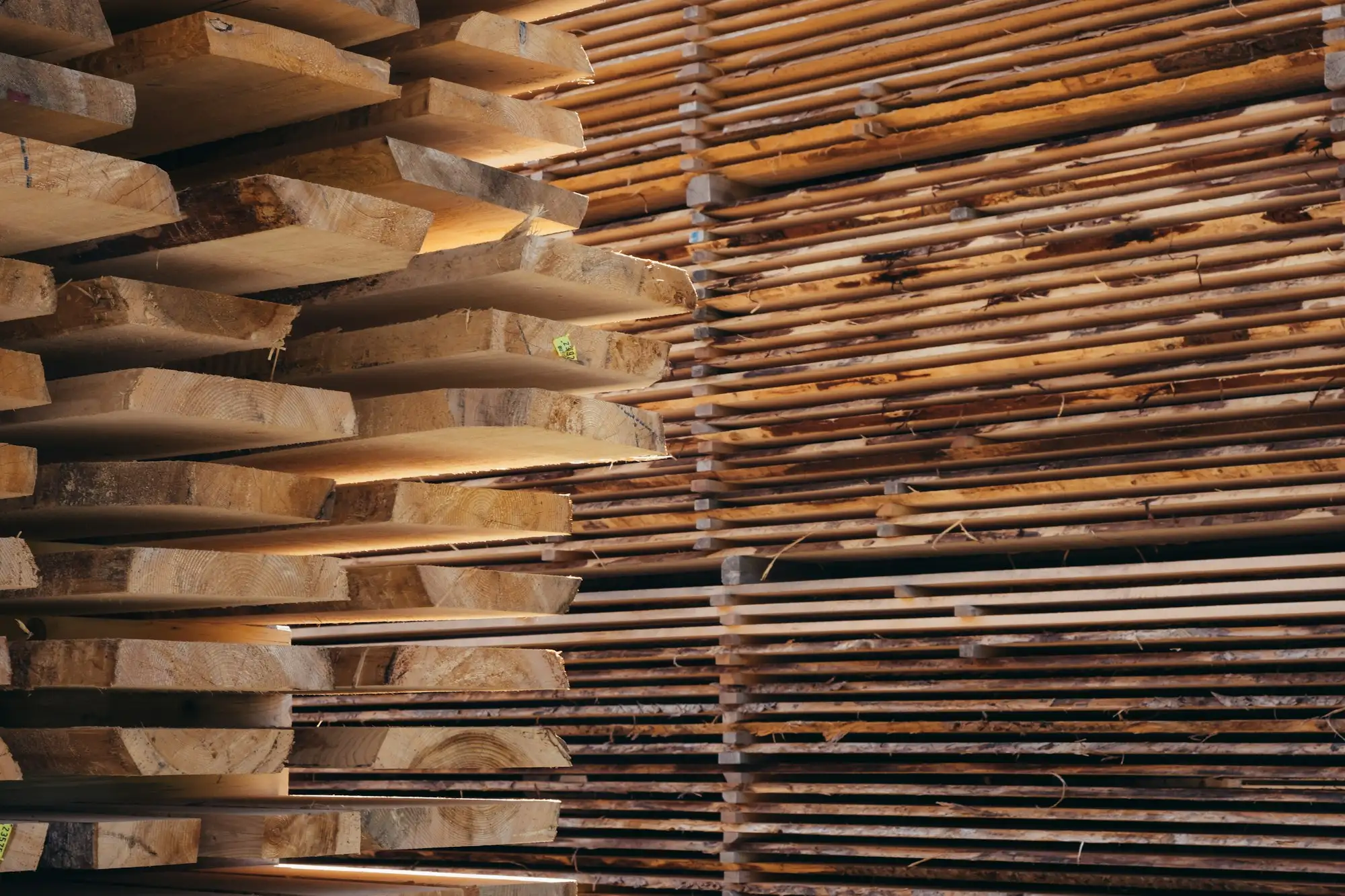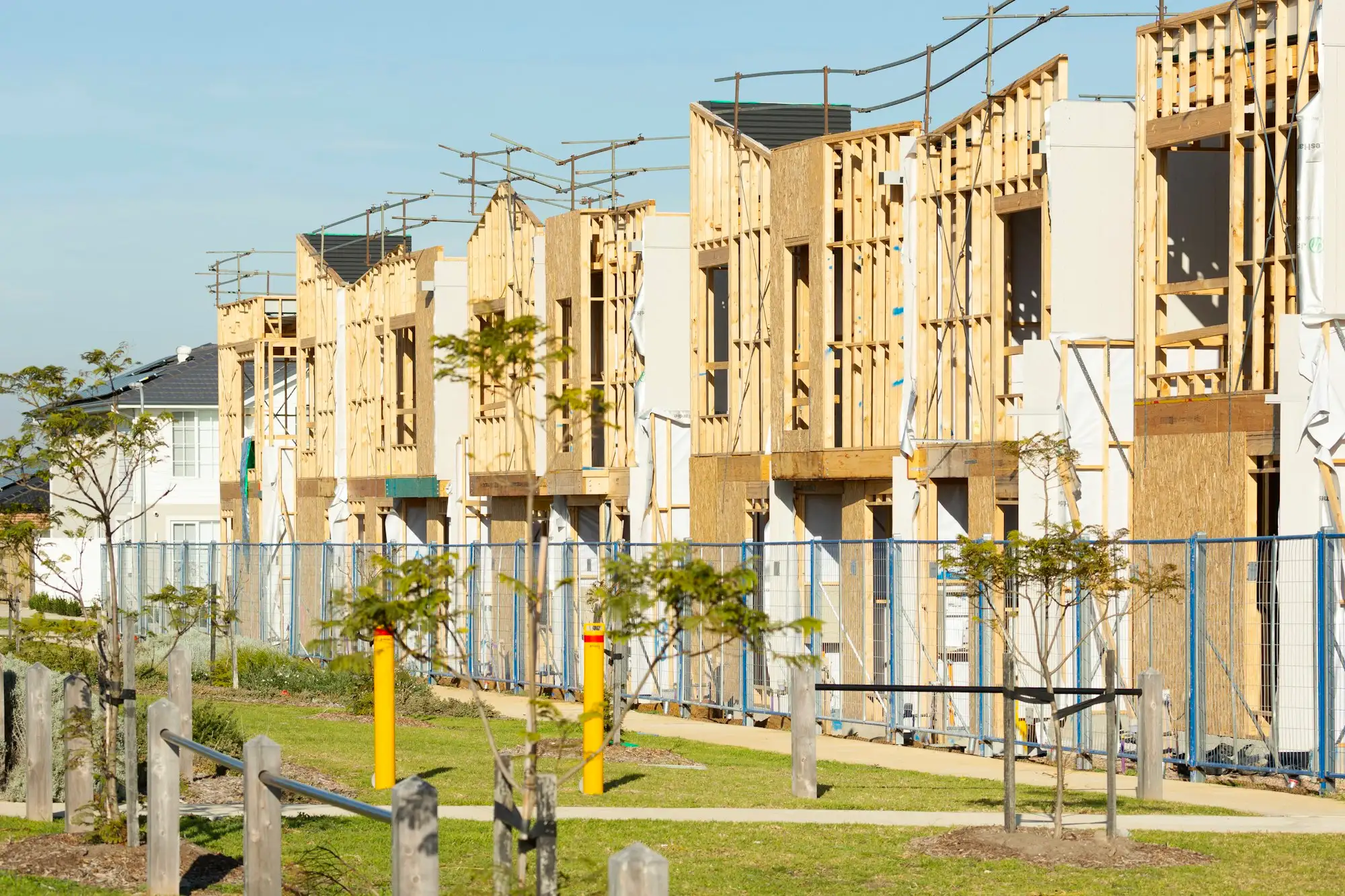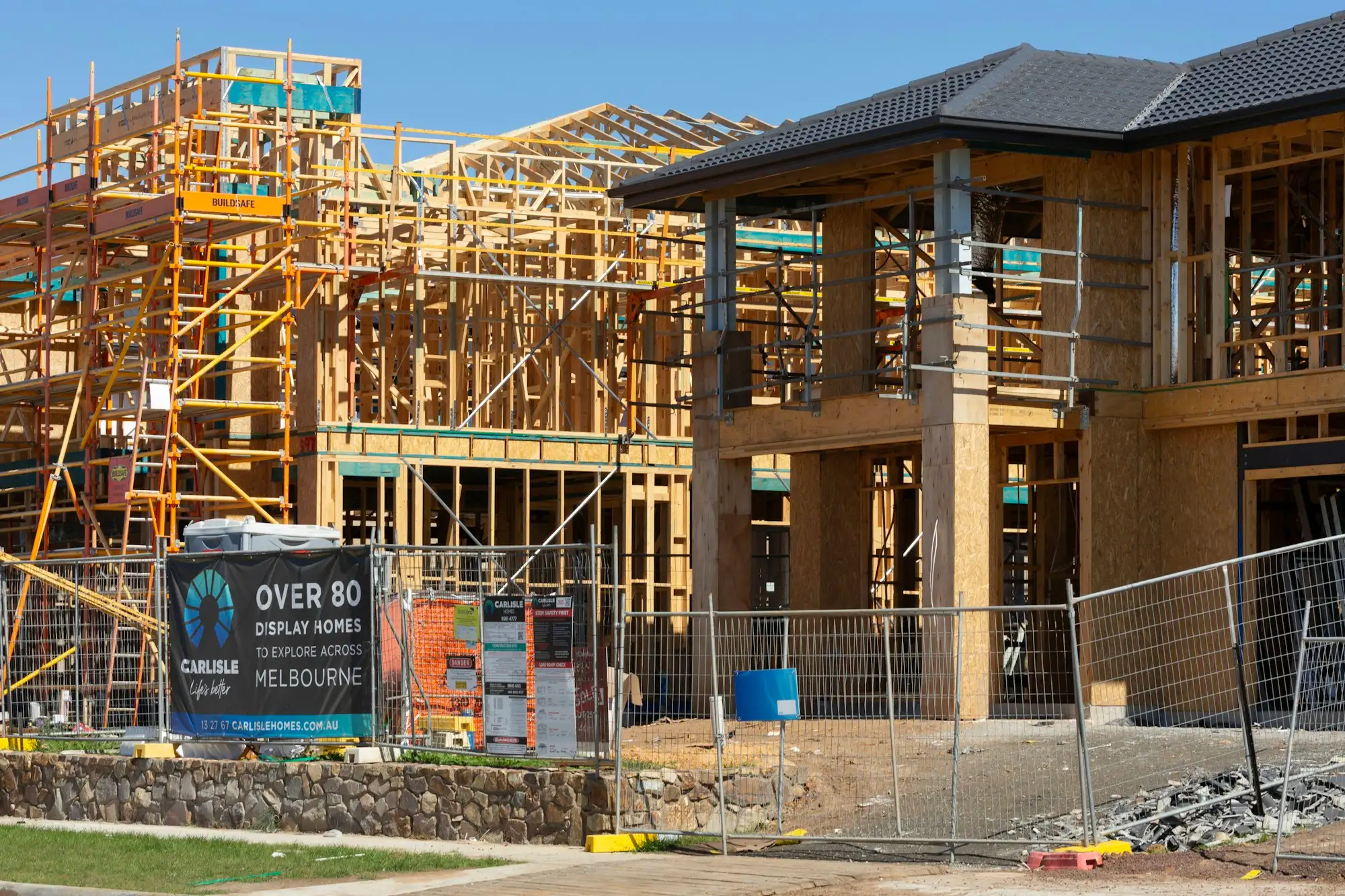
Materials are usually the single biggest cheque a small builder writes on a job, and the timing rarely lines up with when you get paid. Buying in bulk can save money and protect your program, but it also ties up cash. Here’s how to decide when it’s worth it and how to fund it without starving the rest of the business.
Key takeaways
- Buy in bulk for confirmed work, not on spec.
- The main wins are price certainty, supply certainty and a better deal for paying up front.
- The main risks are storage, theft, damage and cash tied up in stock.
- A fast business loan can fund the order and be repaid from progress claims.
- Loans run from $20,000 to $5 million, unsecured (6+ months trading) or secured against property you already own.
Why are builders buying materials in bulk right now?
Build costs have kept climbing. The ABS reported that house construction prices rose 2.0% in the June quarter 2026, the largest quarterly rise since September 2022, citing fuel costs, shipping disruption and trade shortages. When prices are moving, locking in a supply price for the materials on jobs you’ve already quoted protects your margin, especially on a fixed price contract.
Supply is the other driver. If frames, trusses or windows have long lead times in your area, having them on site or secured with your supplier can keep your trades working instead of waiting.
When does buying in bulk actually pay?
Run each order through these five questions.
- Is the work signed? Only buy for contracts you’ve won, or jobs so close to signing that you’re comfortable carrying the stock.
- What’s the real saving? Compare the bulk price with buying as you go, and factor in likely price rises over the build.
- Where will it live? You need secure, dry storage, either at your yard, the supplier’s yard or a locked site.
- How long will it sit? The longer stock sits, the more risk of damage, theft and changes to plans.
- What does the money cost? Weigh the saving against the cost of the loan or the cash you’re taking out of the business.
If you can tick all five, a bulk order usually makes sense.
What materials are worth buying in bulk?
| Good candidates | Handle with care |
|---|---|
| Wall frames and roof trusses (for signed jobs) | Bagged cement and render (moisture) |
| Structural and reinforcing steel | Paint and finishes (colour changes, shelf life) |
| Bricks and blocks | Specialty fittings that clients might change |
| Plasterboard and insulation (stored dry) | Anything without secure storage |
| Roofing, gutters and flashings | Items with fast moving prices both ways |
| Windows and doors with long lead times | Stock for jobs that aren’t signed |
Trade account vs paying cash: which is better?
Your supplier trade account is useful, but it has limits.
- Credit limits often aren’t big enough for a multi job order.
- Payment terms can come due before your progress claim is paid.
- Late payment can put your account on stop, which can halt every job, not just the one you bulk ordered for.
Paying cash for the bulk order, and keeping your trade account for day to day top ups, gives you two advantages: you can negotiate a better price for paying up front, and your account stays clear for the small stuff. Our page on building materials finance explains how tradies fund bulk buys and supplier accounts.
How do I fund a bulk materials order?
There are three common ways, and they can be combined.
1. Unsecured business loan. If you’ve been trading 6+ months with an ABN, an unsecured cash flow loan is sized to your turnover and assessed on recent business bank statements. Some are approved and funded within hours.
2. Loan secured against property you already own. A first or second mortgage over your home, an investment property, commercial property or land with equity can fund larger orders. No financials are needed, bad credit is considered, and it can fund in as little as 24 hours in some cases. Terms are typically 1 to 12 months, which lines up well with a build program.
3. Working capital facility. Some builders keep a pool of money ready for materials across several jobs. See working capital for construction companies.
Whatever you choose, match the loan to the progress claims that will repay it. For a deeper look at timing gaps, read about progress payment gap finance.
Example: funding frames and trusses for three houses
Example (hypothetical): A small builder on the Sunshine Coast has signed three single storey homes due to start over the next two months. The frame and truss supplier offers a better price and a locked delivery schedule if all three are paid up front, which comes to around $150,000.
- The builder’s trade account limit won’t cover it.
- She owns her home with good equity.
- She takes a 6 month second mortgage for the order.
- As each job reaches the frame stage, the progress claim covers that house’s share, and she pays the loan down.
The saving and the certainty of supply outweigh the loan cost, and the jobs don’t stall waiting for stock. Every loan is priced on its own circumstances, so she checks the numbers before committing.
What are the risks, and how do I manage them?
- Theft from site. Store high value items off site or in lockable containers, and time deliveries so stock doesn’t sit on an open site.
- Weather damage. Keep timber, plasterboard and insulation off the ground and under cover.
- Insurance gaps. Check your contract works and business policies cover materials in storage and in transit.
- Design changes. Confirm plans, colours and specs with the client before you order.
- Cash squeeze. Don’t drain the account you use for wages and BAS. That’s where a loan protects the rest of the business.
Bulk buying checklist
- Contracts signed for the jobs you’re buying for
- Written quote with price, delivery dates and what happens if dates change
- Storage lined up and insured
- Plans and specs confirmed with the client
- Funding in place before you commit to the order
- A repayment plan tied to specific progress claims
Key facts
- Loan size: $20,000 to $5 million
- Security: unsecured (6+ months trading) or existing property you or a guarantor own
- Speed: some unsecured loans fund within hours; property secured in as little as 24 hours in some cases
- Term: property secured loans typically 1 to 12 months
- Pricing: every loan is priced on your circumstances; we find the sharpest rate available for your situation
Ready to lock in your materials?
If a supplier is holding a price or a delivery slot for you, don’t let finance be the hold up. See if you qualify in 60 seconds. It won’t affect your credit score, there’s no cost to enquire, and a lending specialist will call you back to talk through your options.