Fencing looks simple from the street. Posts in, rails on, panels up, gate hung. But anyone who runs a fencing business knows the money side is anything but simple. You pay for stock the day it leaves the yard, your crew wants paying Thursday, and the builder you just fenced 30 lots for pays on his own schedule.
That’s where fast finance comes in. Not to prop up a bad business, but to stop a good one from stalling while the money catches up.
Why fencing contractors run short of cash
The pressure points in fencing are pretty consistent across Australia:
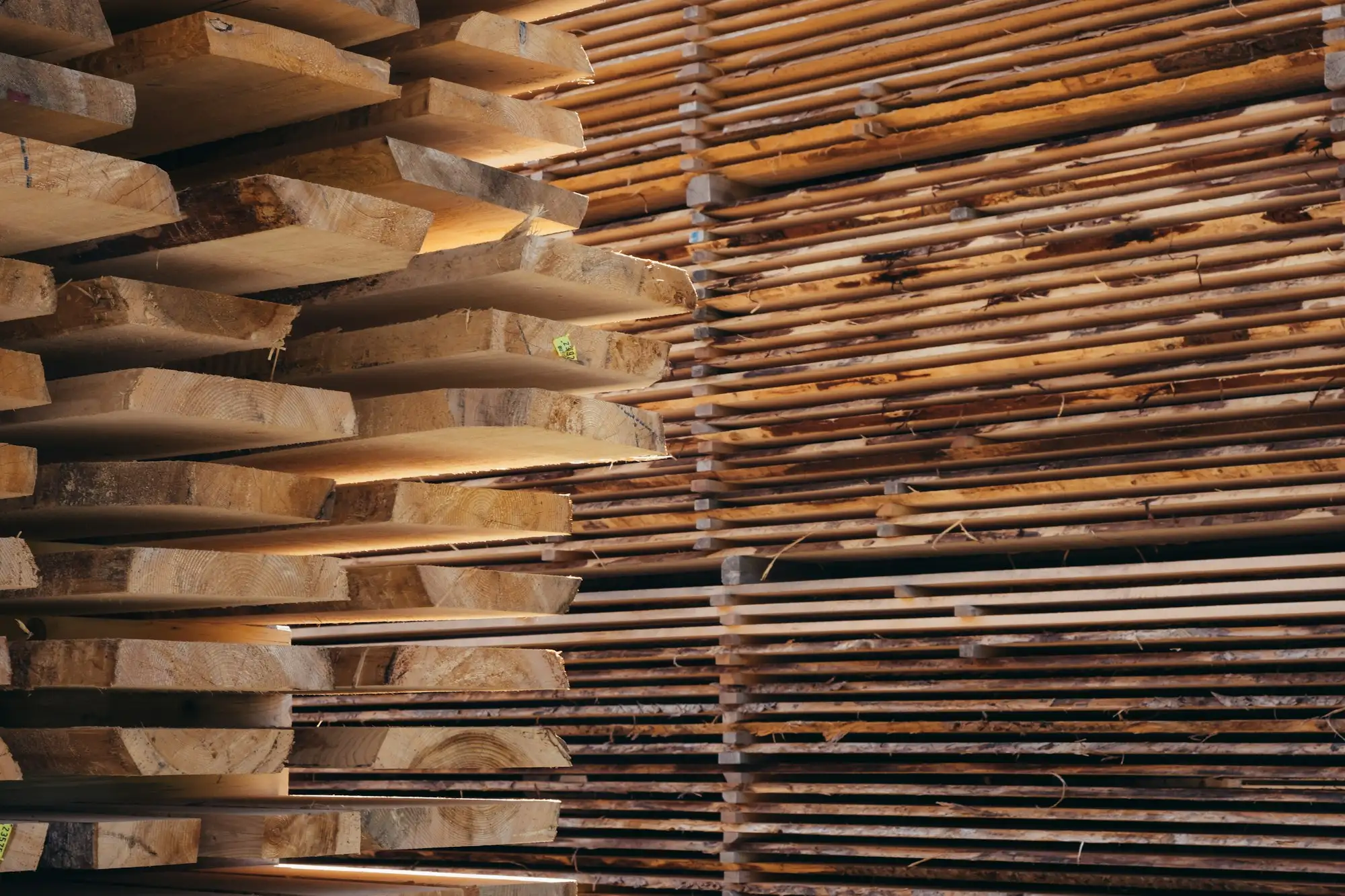
- Stock costs up front. Colorbond panels, steel posts, glass pool fence panels, spigots, hinges, palings and treated pine all need paying for before the job is done. Supplier accounts often have tight limits.
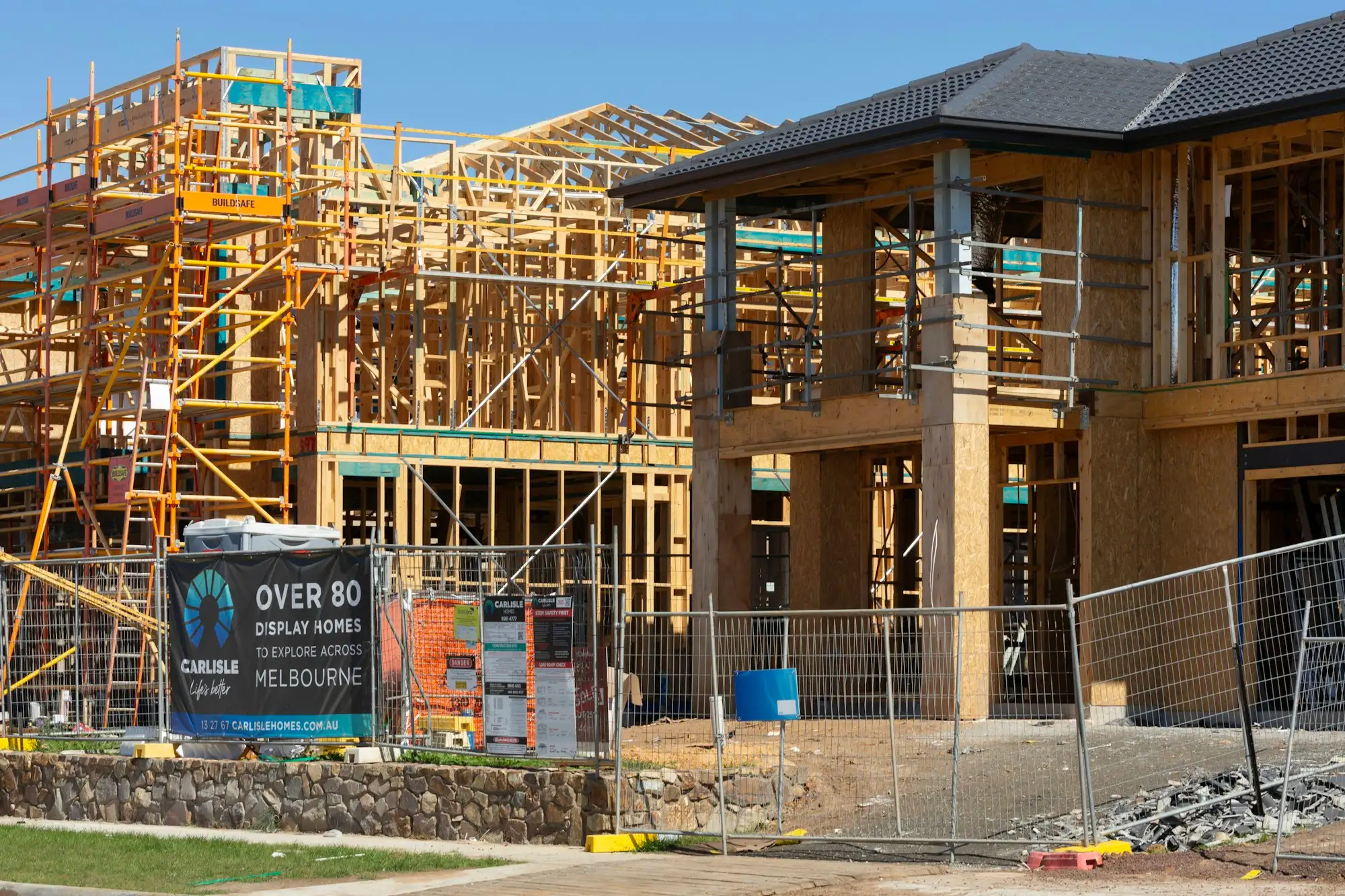
- Builder payment terms. Estate and volume builder work is steady, but 30, 45 or 60 day terms mean you’re carrying the job for weeks.
- Split payments on dividing fences. Two neighbours, two invoices, and one of them is always slow.
- Insurance and storm work. After a big storm the work arrives all at once, but insurer payments move slowly.
- Plant and vehicles. A reliable ute, a tipper or trailer, a post hole borer and a mini loader are the difference between two fences a day and four.
What fencing businesses use fast finance for
Stock for estate and builder contracts
A contract to fence a new estate stage can mean hundreds of metres of panel and post in one hit. Buying it in bulk usually gets you a better price and saves you chasing stock mid job. Our building materials finance is set up for exactly this kind of order.
A ute, trailer and borer
When the auger dies or the ute is off the road, you’re losing money every day. A fast business loan lets you buy the gear outright and get back to work. Have a look at equipment finance for tradies if plant is your main need.
Paying an ATO debt
Busy fencers often fall behind on BAS when the work is flowing. A lump sum to clear the ATO stops the letters and gets you back to square. Our ATO debt loans for tradies explain how that works.
Taking on a bigger job
Pool fencing packages for a builder, rural fencing on acreage, or a commercial security fence can be much bigger than your usual work. Finance lets you say yes without draining your working account.
Secured or unsecured: which suits a fencing business?
If you own property, a secured loan is usually the fastest way to a bigger amount. That could be a fast second mortgage behind your existing home loan, a first mortgage over a property with no loan on it, or a bridging loan. It’s based on your equity, not your financials, so it suits fencers whose books are a bit behind. Funding can happen in as little as 24 hours in some cases, and terms typically run 1 to 12 months. In Victoria a caveat loan is another option.
If you don’t own property, an unsecured cash flow loan may suit. You’ll need an ABN, six months or more of trading and recent business bank statements. The amount is sized to your turnover, and some are approved and funded within hours.
All our loans are for business purposes, and every loan is priced on your circumstances. We find the sharpest rate available for your situation.
Example: a fencer who landed a big builder contract
Example only. Say a fencing contractor in Western Sydney wins a contract to fence three stages of a new estate for a volume builder. The stock bill for the first stage is around $90,000, the builder pays 45 days after each stage, and the fencer’s supplier account limit is $30,000.
The fencer owns a home with good equity. A fast second mortgage for $120,000 covers the first stage of stock plus a second crew’s wages. When stage one is paid, the fencer rolls into stage two without waiting. The loan is repaid from the builder payments once the contract winds up.
How fast can a fencing contractor get finance?
Fill in our short form, which takes about 60 seconds. A lending specialist calls you back to talk it through. Unsecured loans can move within hours. Property secured loans can fund in as little as 24 hours in some cases, and typically within a few days once valuation and documents are in.
What to have ready
- Your ABN and business name
- Details of any property you own and roughly what’s owing on it
- Recent business bank statements (for unsecured loans)
- The contract, quote or supplier invoice you’re funding
- How you’ll repay: builder payments, job completions or a refinance
Key facts
- Loan size: $20,000 to $5 million
- Security: property you or a guarantor own, or unsecured for established businesses
- Speed: unsecured within hours in some cases; secured in as little as 24 hours
- Term: secured loans typically 1 to 12 months
- Suits: residential, pool, rural and commercial fencing contractors
Keep the fence line moving
Don’t knock back good work because the stock bill lands before the builder pays. Check your options in about a minute and we’ll tell you quickly if we can help. You can also read more about finance for tradies.