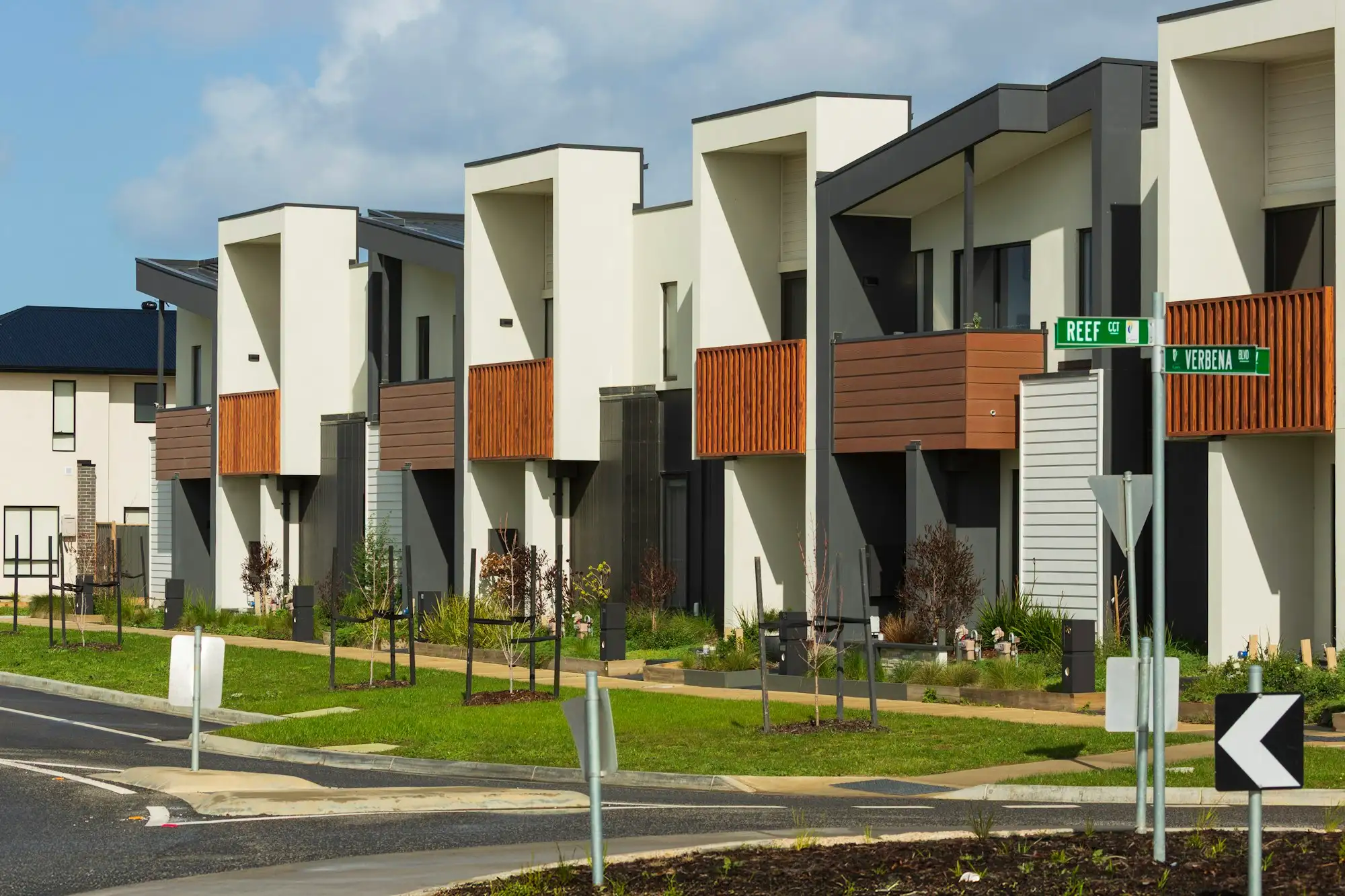
Short term construction finance is built for jobs with a start and a finish. You need the money for a few weeks or months, you know roughly where the repayment is coming from, and you don’t want to spend two months jumping through a bank’s hoops for a loan you’ll only hold until the end of the build. That’s the gap this type of loan fills.
What counts as short term construction finance?
In our world, short term means a loan term of 1 to 12 months. The loan is settled as a lump sum, secured against equity in property you already own, and repaid in full at the end of the term or earlier.
It’s not a replacement for a 30 year home loan or a long term commercial facility. It’s a tool for a specific job: fund the build or a stage of it, then get out.
When does a short term loan make sense for a build?
Short term construction finance works best when three things line up:
- There’s a clear end date. The build or stage finishes, and money arrives.
- Speed matters. A bank loan would take too long, or has already said no.
- The exit is real. You can point to where the repayment comes from.
Situations where we see it used:
- Funding a spec home through to sale
- Covering the gap between frame and lock-up stage payments
- Settling on a site now and refinancing once the build is under way with a bank
- Carrying a duplex until one side sells
- Paying out a subbie or supplier dispute to keep the job moving
How long should the term be?
Match the term to the exit, then add a buffer. As a rough guide, these are illustrative timeframes only. Every job is different.
| Situation | Typical term people consider |
|---|---|
| Bridging a late progress claim | 1 to 3 months |
| Materials bulk buy repaid from contract payments | 2 to 4 months |
| Finishing a stalled single home | 3 to 6 months |
| Building a duplex and selling one side | 6 to 12 months |
| Settling land, then refinancing to a bank | 3 to 6 months |
The most common mistake is choosing the shortest possible term to keep costs down, then finding the sale takes longer to settle than planned. A little extra time up front is usually far easier than trying to extend later.
Key facts
- Term: typically 1 to 12 months
- Loan size: $20,000 to $5 million
- Security: existing property equity, including home, investment, commercial property or land
- Speed: as little as 24 hours in some cases, typically a few days once valuation and documents are complete
- Paperwork: no financials or cash flow records for property secured loans
- Credit: bad credit considered
- Suits: builders and tradies with a clear exit within a year
How is the cost of short term finance worked out?
Every loan is priced on your circumstances: the security, the loan size, the term and how solid the exit looks. We don’t publish rate cards, because they rarely reflect a real deal. What we do is find the sharpest rate available for your situation and show you the full picture before you sign.
One thing worth knowing: with short term construction finance, time is the biggest cost driver you control. A well planned build that finishes on time costs less to fund than one that drifts. That’s another reason to plan the term honestly.
What happens if the build runs late?
Builds run late. Rain, trades not showing up, a council inspection that slips a week. If it looks like your loan term won’t cover the job:
- Raise it early. Talk to your lending specialist as soon as you see it coming, not the week the loan is due.
- Update the exit. Show what’s changed and when the money will now arrive.
- Consider the options. Depending on the lender and the numbers, that might mean more time, a refinance or a different plan.
For builds that have properly stalled, our construction completion loans page covers funding to get a job over the line.
Short term versus long term: a quick comparison
Short term construction finance is quick to arrange, secured on existing equity, doesn’t need full financials, and suits a job with a defined finish.
Long term finance usually costs less over time but takes longer to arrange, needs full documentation, and suits holding property for years.
Plenty of builders use both. Example: a builder uses short term construction finance to settle on a site and get the slab down quickly, then refinances to a bank once the project is further along and the paperwork is in order. That’s a hypothetical scenario, but it’s a common pattern. If this is your plan, our business bridging loans page explains how the handover typically works.
What to have ready
- Details of the property you’re offering as security
- What the money is for and a rough budget
- Your exit plan and expected timing
- Your ABN and business name
Then see if you qualify in 60 seconds. It won’t affect your credit score, and a lending specialist will be in touch to talk through the numbers. For a deeper look at planning your way out of a loan, read our guide on exit strategies for short term loans.