A four lot subdivision is the step up many small builders dream about. You go from building for a client’s margin to building for your own. It’s also where a lot of builders get caught short, because the money needs to be in place at every stage, and one delay can hold up everything after it.
This guide breaks a typical small subdivision into stages, shows where the money usually comes from at each one, and explains where fast short term finance fits in.
Key takeaways
- Plan the funding stage by stage: land, approvals, civil works, construction and exit.
- Your own cash and equity in existing property are the foundation of most small projects.
- Short term property secured loans are for gaps, not the whole project. Terms are typically 1 to 12 months.
- We lend against existing property you or a guarantor own, including land with equity, never the finished value of the lots.
- Know your exit before you start: sell lots or units, or refinance.
What are the stages of a 4 lot subdivision?
Every council and project is different, but most small subdivisions follow a similar path.
| Stage | Where the money goes | Common funding sources |
|---|---|---|
| 1. Site purchase | Deposit, settlement, stamp duty, legal costs | Cash, equity in existing property, a fast first or second mortgage |
| 2. Design and approvals | Surveyor, town planner, engineers, council application costs | Cash, business cash flow |
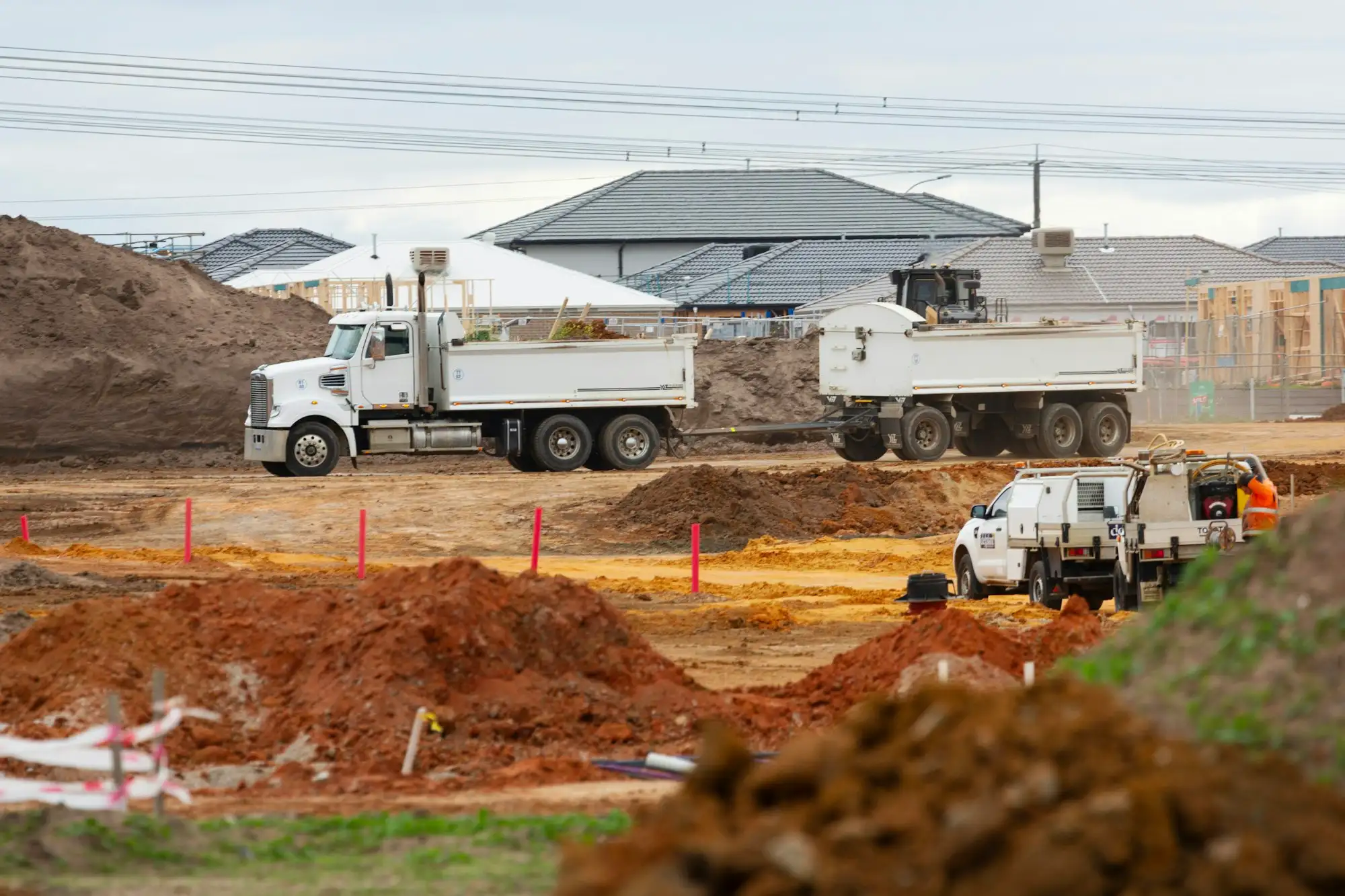
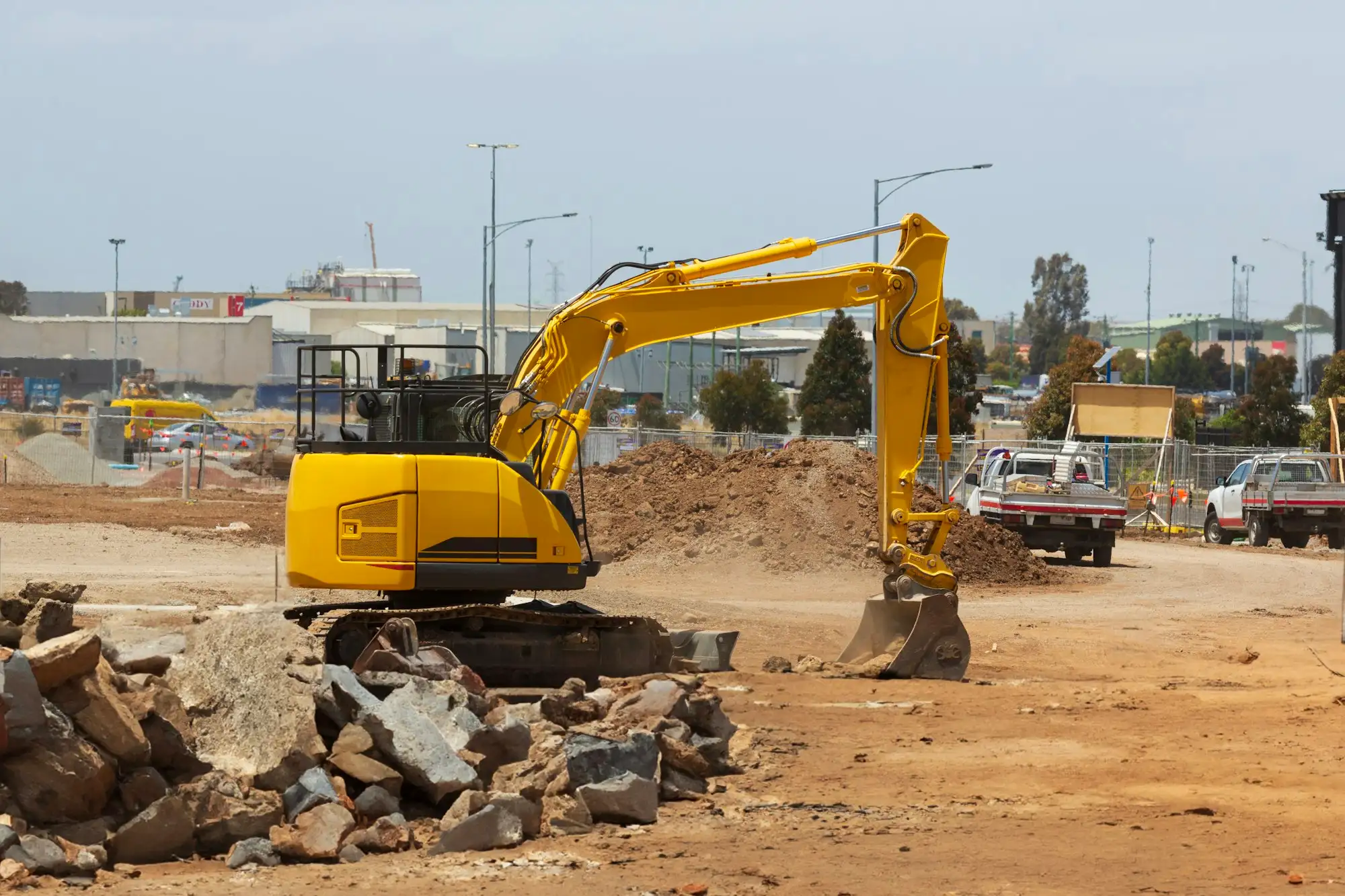
| 3. Civil works and services | Demolition, earthworks, drainage, sewer, water, power, driveways | Cash, equity, short term loans |
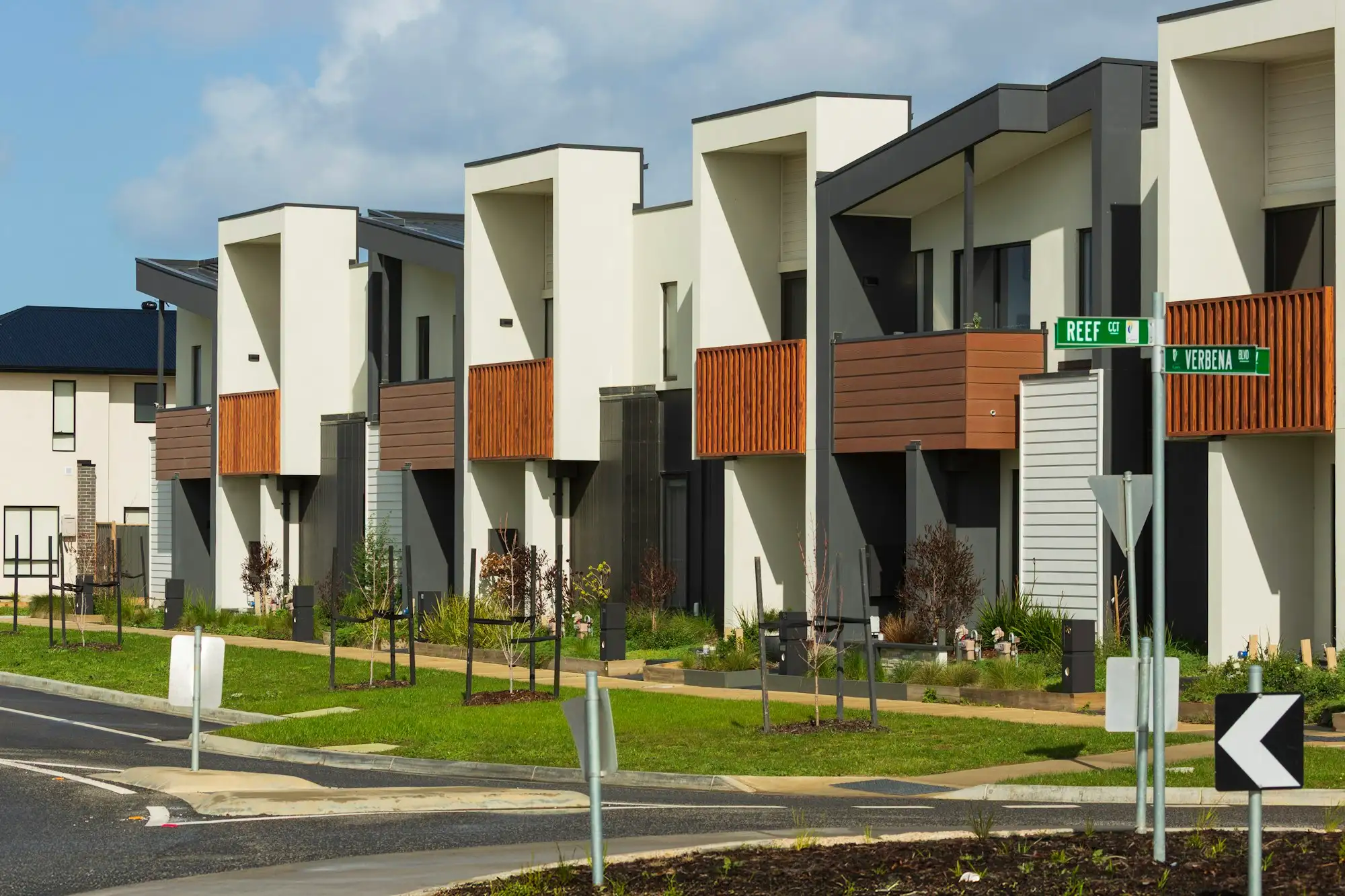
| 4. Construction | Slab, frame, lock-up, fixing, completion for each unit | Longer term construction finance, cash, equity |
| 5. Titles and sales | Final authority costs, marketing, holding costs | Cash, bridging loans until sales settle |
The stages that catch builders out are usually 1 and 3. Land can need to settle faster than a bank can approve, and civil works often cost more and take longer than the first quote suggested.
Where does short term finance fit in?
Fast, property secured loans work best at the pressure points:
- Securing the site. A vendor wants a quick settlement or a bigger deposit. A loan against your home or another property lets you move now. See land purchase finance for builders.
- Civil works overruns. Rock, extra drainage or a services upgrade blows out the budget before construction finance is in place.
- Gaps between stages. You’ve finished civil works, but longer term construction funding hasn’t been approved yet.
- Finishing the last units. The final one or two townhouses need money to reach completion.
- Waiting on sales. Units are finished, but settlements are weeks away and holding costs keep coming.
Our page on small subdivision finance goes through how these loans are structured for 2 to 4 lot projects.
What can you use as security?
Because our loans are secured against existing property, what you already own decides how much you can borrow:
- your home
- an investment property
- a commercial property or factory unit
- land with equity, including the subdivision site itself once you own it with enough equity
- property owned by a guarantor, such as a family member or business partner
The lender looks at what the property is worth now, less what’s owed on it. It doesn’t lend against what the lots or units will be worth when finished.
A step by step funding plan for a small subdivision
- Do a full feasibility. Land, fees, civil works, construction, holding costs, selling costs and a contingency. Get your accountant to check it.
- List your security. Every property you or a guarantor own and the equity in each.
- Map the cash out by month. Match each stage to a funding source.
- Identify the gaps. Months where the money going out is more than the money available.
- Decide how to cover each gap. Cash, a fast second mortgage, a bridging loan, or bringing in a partner.
- Write down your exit. Which lots or units you’ll sell and when, or what you’ll refinance into.
- Build in time buffers. Titles, authority sign offs and settlements often run late.
Example: a builder in Toowoomba with a four townhouse site
Example only. A builder has bought a corner block zoned for four townhouses. He has approvals, but the civil works quote has come back higher than expected and his longer term construction funding won’t be ready for two months. He needs a hypothetical $300,000 to keep the earthmoving and services contractors on site.
He owns his home and a rental property, both with solid equity. A second mortgage over the rental property covers the civil works, with a six month term. His exit is refinancing into construction funding once it’s approved.
Example: a Victorian builder finishing the last two units
Example only. A builder in Geelong has completed two of four units and sold them. The last two need kitchens, flooring and landscaping, and the budget is short. He owns his home with plenty of equity.
A caveat loan or second mortgage over the home covers the finishing costs. When the last two units sell, the loan is repaid from the settlements. Our construction completion loans page covers this scenario in more detail.
Common mistakes to avoid
- No contingency. Civil works and services almost always throw up surprises.
- Relying on one exit. If the plan is to sell, know what happens if sales are slow.
- Borrowing too early. Don’t draw money months before you need it.
- Borrowing too late. Leaving it until trades walk off costs more than the loan.
- Forgetting holding costs. Council rates, insurance, interest and land tax add up while you wait for titles.
Key facts
- Loan size: $20,000 to $5 million
- Security: existing property you or a guarantor own, including land with equity
- Speed: as little as 24 hours in some cases, typically a few days
- Term: typically 1 to 12 months
- Suits: small builders doing 2 to 4 lot subdivisions, duplexes and townhouses
- Pricing: every loan is priced on your circumstances, and we find the sharpest rate available for your situation
Where to next?
Before you commit, read our guide to building an exit strategy for a short term loan. When you’re ready, check your options in about 60 seconds. There’s no cost to enquire and it won’t affect your credit score.